
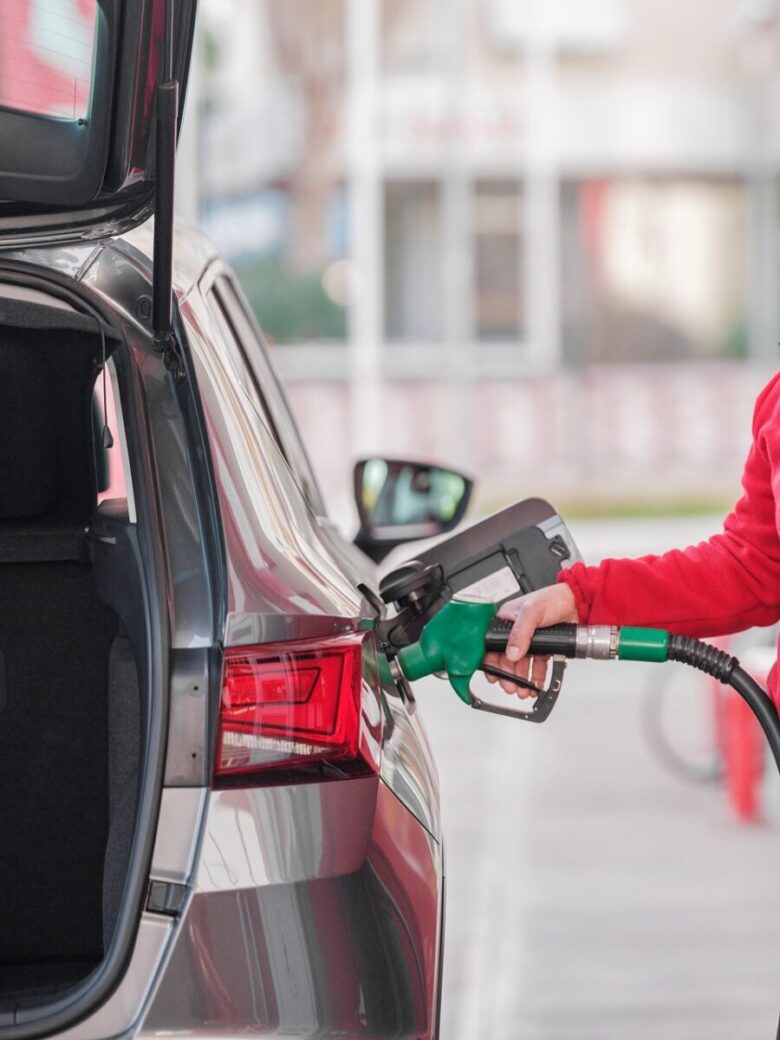
Gas prices swing up and down, but the money you burn at the pump is largely under your control. Over the years I have worked on cars that got 18 miles per gallon when they should have been getting 28, and the difference was almost never mechanical failure. It was habits, maintenance neglect, and small oversights that added up to thousands of dollars in wasted fuel.
The good news is that improving fuel efficiency does not require buying a hybrid or driving like a hypermiler. Most drivers can cut fuel consumption by 10 to 20 percent with simple changes that cost little or nothing. This guide covers what actually works, what does not, and how to build habits that keep money in your pocket.
Why Your Car Uses More Fuel Than It Should
Before you change your driving habits, understand what is already working against you. Modern engines are efficient by design, but several factors quietly increase fuel consumption:
- Underinflated tires: For every 1 PSI below the recommended pressure, fuel economy drops roughly 0.2 percent. Four tires at 5 PSI low cost you about 4 percent at the pump.
- Dirty air filter: A clogged filter restricts airflow, forcing the engine to work harder and use more fuel to produce the same power.
- Worn spark plugs: Incomplete combustion wastes fuel and reduces power. Misfiring cylinders dump unburned gasoline into the exhaust.
- Excess weight: Every 100 pounds of extra cargo reduces fuel economy by about 1 percent.
- Poor alignment: Tires that drag instead of roll freely create resistance that the engine must overcome.
- Roof racks and carriers: Even when empty, a roof rack increases aerodynamic drag. At highway speeds, this can reduce economy by 2 to 8 percent.
- Short trips and cold starts: Engines run rich until they reach operating temperature. A 2-mile trip uses significantly more fuel per mile than a 20-mile trip.
Fixing these issues is the foundation. Everything else builds on top of a car that is mechanically ready to be efficient.
Maintenance That Pays for Itself at the Pump
Keep Tires Properly Inflated
Check tire pressure at least once a month and before long trips. Use a digital tire pressure gauge for accuracy. The correct pressure is listed on the driver’s door jamb sticker, not the maximum pressure molded into the tire sidewall.
I check mine every Sunday morning. It takes two minutes and has saved me noticeable money over time. Underinflated tires also wear faster and handle poorly, so this is a safety issue as well as an economy issue.
If you are forgetful, consider a portable tire inflator with auto-shutoff. Keep it in the trunk and top off tires whenever they drop 2 PSI below spec.
Replace the Air Filter on Schedule
A dirty air filter is one of the cheapest problems to fix and one of the most common I see in the shop. Most engines need a new filter every 15,000 to 30,000 miles. In dusty climates, check it more often.
Replacing an air filter takes five minutes and costs $15 to $40. The fuel savings usually pay for it within a few tanks.
Use the Correct Motor Oil
Your owner’s manual specifies the exact oil viscosity and performance standard for your engine. Using a thicker oil than recommended increases internal friction and reduces efficiency. Using a thinner oil risks inadequate protection.
Modern engines are often designed for 0W-20 or 5W-30 synthetic oil. Synthetic oil flows better at cold starts and maintains its properties longer than conventional oil. The extra cost is usually offset by longer change intervals and better fuel economy.
Replace Worn Spark Plugs
Spark plugs ignite the fuel-air mixture. When they wear, the gap widens, the electrode erodes, and combustion becomes incomplete. The engine compensates by using more fuel to maintain power.
Follow the replacement interval in your manual. For platinum or iridium plugs, this is often 60,000 to 100,000 miles. For copper plugs, it is closer to 30,000 miles. Do not wait for a misfire code.
Fix Oxygen Sensor Issues Promptly
The oxygen sensors monitor exhaust gases and help the engine computer adjust the fuel mixture. A failing sensor can cause the engine to run rich, wasting fuel and damaging the catalytic converter. If your check engine light points to an oxygen sensor, replace it sooner rather than later.
Driving Habits That Cut Fuel Use
Once your car is mechanically sound, your driving style becomes the biggest variable. Here are the habits that matter most:
Accelerate Gradually
Hard acceleration forces the engine into its least efficient operating range. The fuel injectors dump extra gasoline to produce maximum power, and much of that fuel is wasted as heat rather than motion.
Practice smooth starts. Press the accelerator gently and let the transmission shift at natural points. Your car will reach cruising speed only a few seconds later, but you will use significantly less fuel getting there.
Maintain Steady Speeds
Constant acceleration and braking is inefficient. Every time you brake, you convert kinetic energy into heat and throw away the fuel you burned to build that speed. Every time you accelerate back up, you burn more fuel.
On highways, use cruise control to maintain a steady speed. In traffic, leave more space ahead so you can coast instead of braking. Anticipate red lights and stop signs by lifting off the accelerator early. The car will slow naturally, and you may not need to brake at all.
Obey the Speed Limit
Aerodynamic drag increases with the square of speed. Driving 75 miles per hour instead of 65 increases drag by roughly 33 percent. The engine works harder to push through the air, and fuel economy drops accordingly.
Most vehicles achieve peak efficiency between 50 and 60 miles per hour. Every 5 miles per hour above that costs roughly 5 to 7 percent in fuel economy. On a 500-mile highway trip, the time saved by driving faster is usually measured in minutes, while the extra fuel cost is measured in dollars.
Reduce Idle Time
Idling gets zero miles per gallon. Modern engines do not need long warm-up periods. In cold weather, 30 seconds of idle is enough for oil circulation. After that, drive gently until the engine reaches normal temperature.
At long stops, railroad crossings, or drive-through lines, consider shutting off the engine if you will be stopped for more than 30 seconds. Many modern cars have auto start-stop systems that do this automatically. If yours does not, manual shutoff saves fuel, though frequent restarts can wear the starter over time.
Plan Your Trips
Combine errands into a single outing rather than making multiple short trips. A cold engine is inefficient, and multiple cold starts waste fuel. If you need to visit the grocery store, pharmacy, and bank, do them in one loop rather than three separate drives.
Use navigation apps to avoid traffic congestion and construction delays. Sitting in stop-and-go traffic burns fuel without moving you forward. A slightly longer route with steady speeds is often more efficient than a shorter route with constant braking.
Remove Efficiency Killers
Clean Out the Trunk
Every extra pound costs fuel. Remove tools, sports equipment, and cargo you do not need for daily driving. If you carry a roof box or bike rack year-round, take it off when not in use. The aerodynamic penalty is significant at highway speeds.
Close Windows at High Speeds
At city speeds, open windows have minimal impact. At highway speeds, open windows disrupt airflow and increase drag. Use the air conditioning instead. Modern air conditioning systems are efficient enough that the drag from open windows usually wastes more fuel than the compressor consumes.
Avoid Premium Fuel Unless Required
Unless your owner’s manual specifies premium fuel, using it is a waste of money. Higher octane does not improve performance or efficiency in engines designed for regular. The combustion properties are different, but modern engines with knock sensors adjust timing automatically. Save the premium price difference for maintenance that actually matters.
What Does Not Work
The internet is full of fuel-saving myths. Here is what I have tested or researched and found to be ineffective or harmful:
- Aftermarket fuel additives: Most do nothing measurable. Some can damage sensors or catalytic converters.
- Magnetic fuel line devices: Pseudoscience. No credible study supports these claims.
- Overinflating tires: Increases economy slightly but reduces traction, wears tires unevenly, and risks blowouts.
- Neutral coasting in automatic transmissions: Modern fuel injection cuts fuel delivery on deceleration. Shifting to neutral disables this feature and can increase consumption.
- Drafting behind trucks: Dangerous and illegal in most states. The fuel savings are minimal and the crash risk is severe.
- Removing the spare tire: Saves a few pounds but leaves you stranded if you get a flat. Not worth the risk.
Track Your Progress
Improvement is easier when you measure it. Track your fuel economy over time to see which changes work:
- Reset your trip odometer at each fill-up
- Record gallons pumped and miles driven
- Calculate miles per gallon manually: miles divided by gallons
- Compare against your car’s EPA rating for your driving conditions
Many cars have built-in fuel economy displays. These are useful for real-time feedback but can be optimistic by 5 to 10 percent. Manual calculation is more accurate for tracking trends.
If your fuel economy drops suddenly by more than 10 percent, investigate. A stuck brake caliper, failing oxygen sensor, or dragging parking brake can cause a dramatic drop that maintenance will fix.
Bottom Line
Improving fuel efficiency is not about one big change. It is about stacking small improvements: proper tire pressure, clean filters, smooth acceleration, steady speeds, and reduced weight. Each change saves a few percent, and together they add up to real money.
On a typical 12,000-mile year, a driver who improves from 25 to 30 miles per gallon saves roughly 80 gallons of fuel. At four dollars per gallon, that is $320 per year. Over five years, $1,600. The changes that achieve this cost almost nothing.
Start with the maintenance basics. Adjust your driving habits. Remove excess weight. Track your results. The savings will show up at the pump, and your car will run better in the process.
Related Reading
Want to keep your car running reliably for years without expensive repairs? Read our guide on How to Make Your Car Last Longer Without Spending Too Much on Repairs.
Disclaimer: This article is for informational purposes only. Always follow your vehicle manufacturer’s specifications for maintenance and fuel. Oriola Car Insights is not responsible for mechanical issues or fuel-related damage resulting from advice in this content.

The Oriola Cars Editorial Team creates and reviews practical automotive content about vehicle ownership, maintenance, used-car buying, safety, insurance and everyday driving costs.