
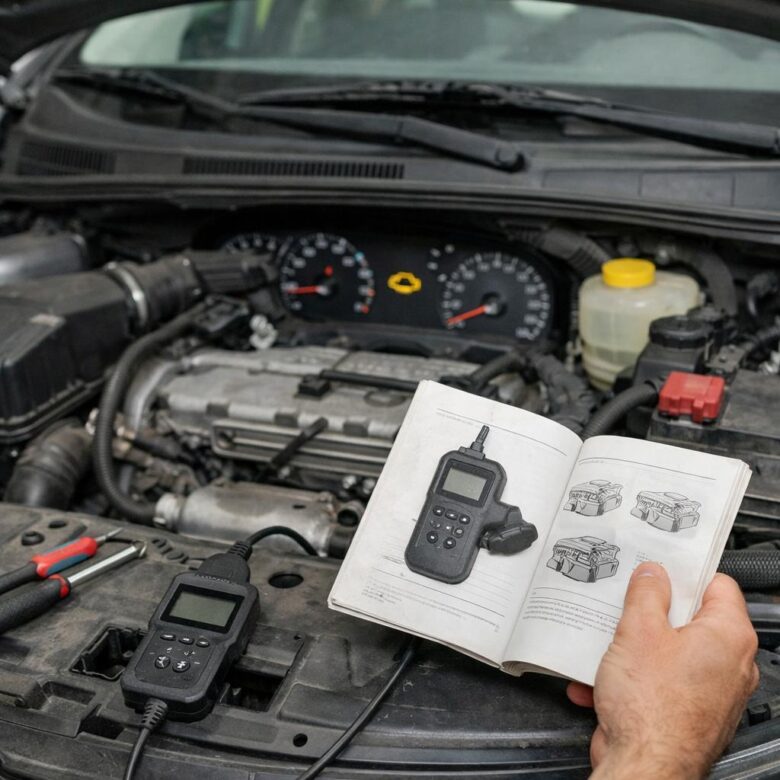
Check engine light on? First, tighten the gas cap and note any shaking, smells, or power loss. If the light flashes, stop driving and schedule diagnostics.

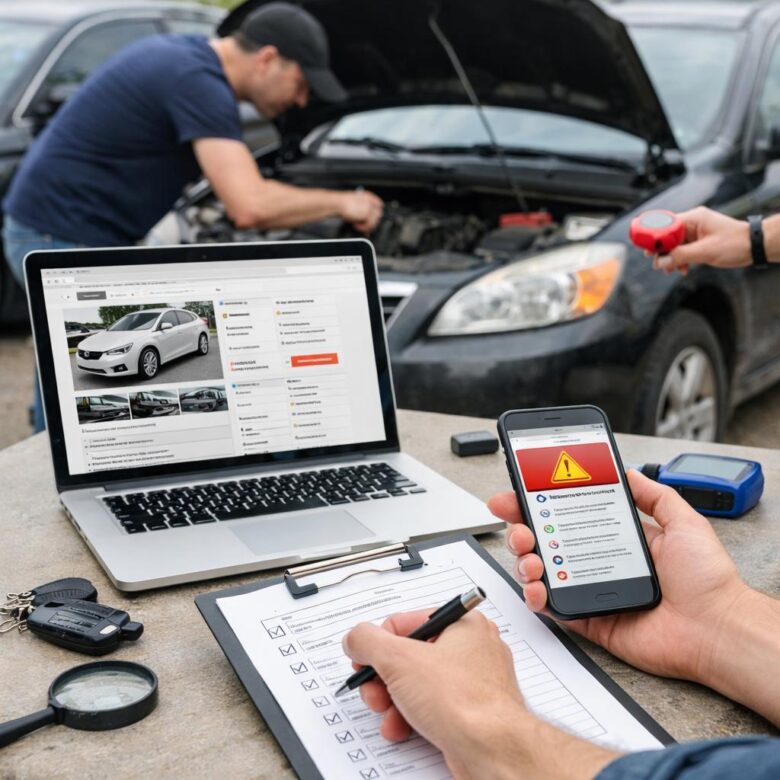
Before buying online: verify the VIN, compare photos with the history report, request a video walkaround, and never pay until title, mileage, and seller identity are confirmed.
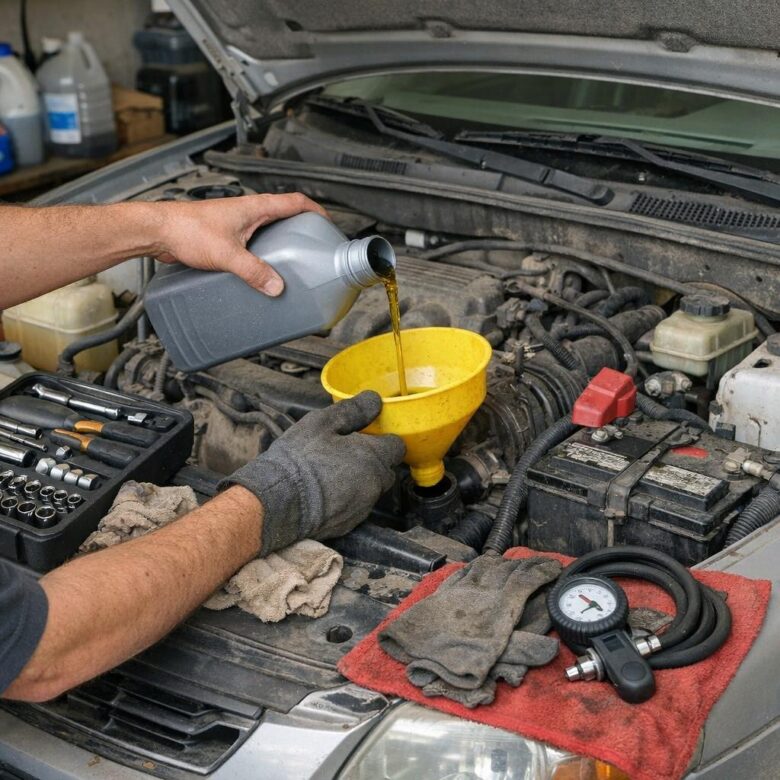
Preventive care is the cheapest repair strategy: follow oil, tire, fluid, and brake schedules, fix small issues early, and drive smoothly to reduce wear and extend your car’s life.
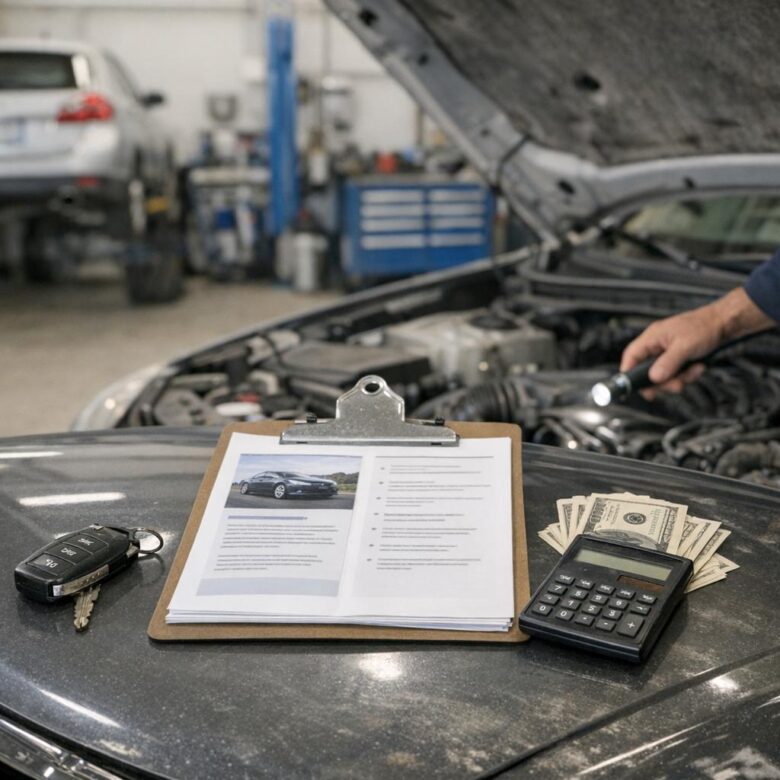
Before buying an extended car warranty, compare coverage limits, exclusions, deductibles, claim rules, and provider reputation to ensure the plan fits your vehicle and budget.
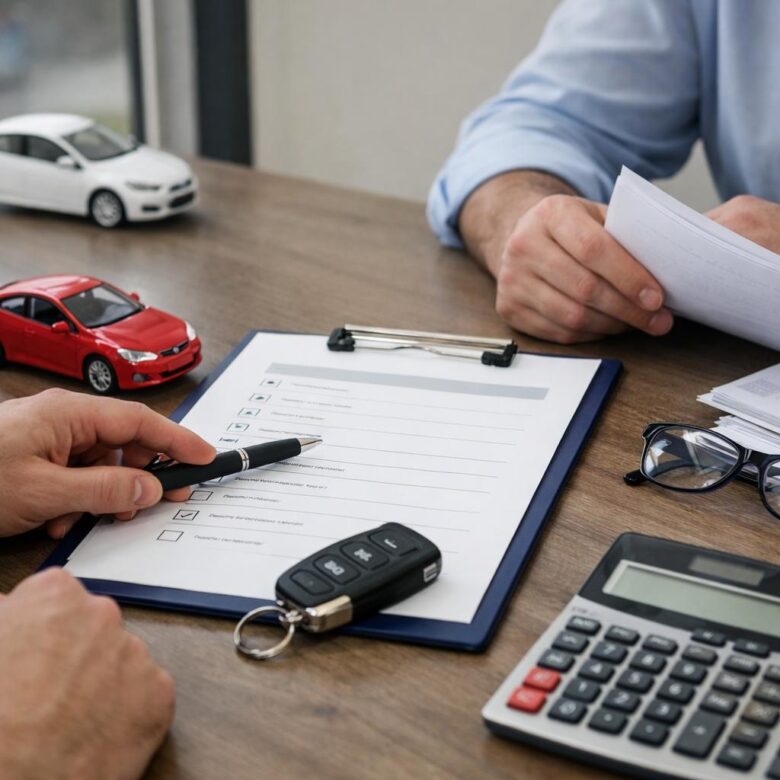
Choose car insurance by matching liability, collision, and comprehensive limits to your vehicle’s value, driving habits, loan terms, and out-of-pocket risk.
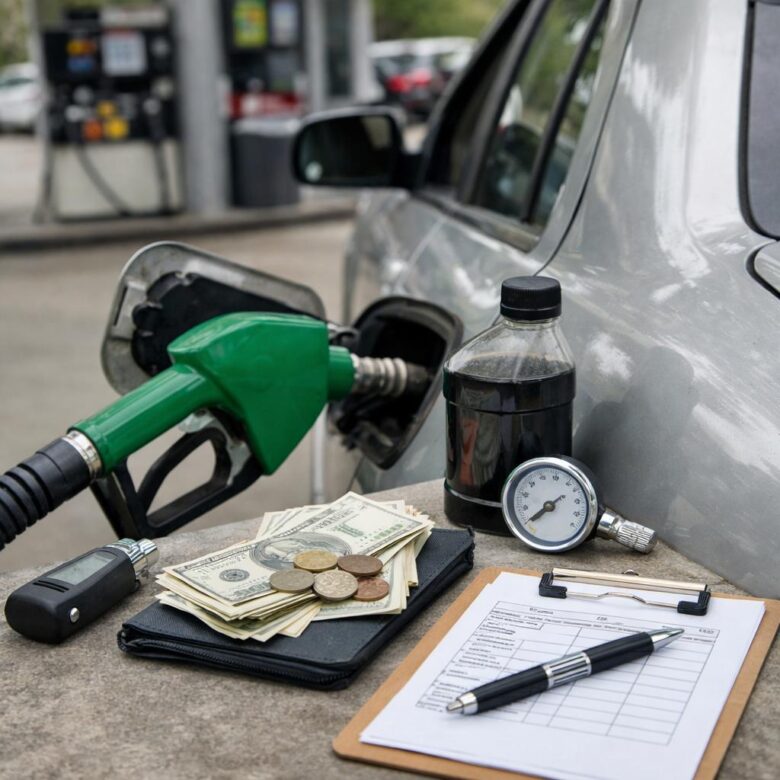
Improve fuel efficiency by maintaining tire pressure, easing acceleration, reducing idle time, and removing excess weight-simple habits that cut fuel use and lower gas costs.
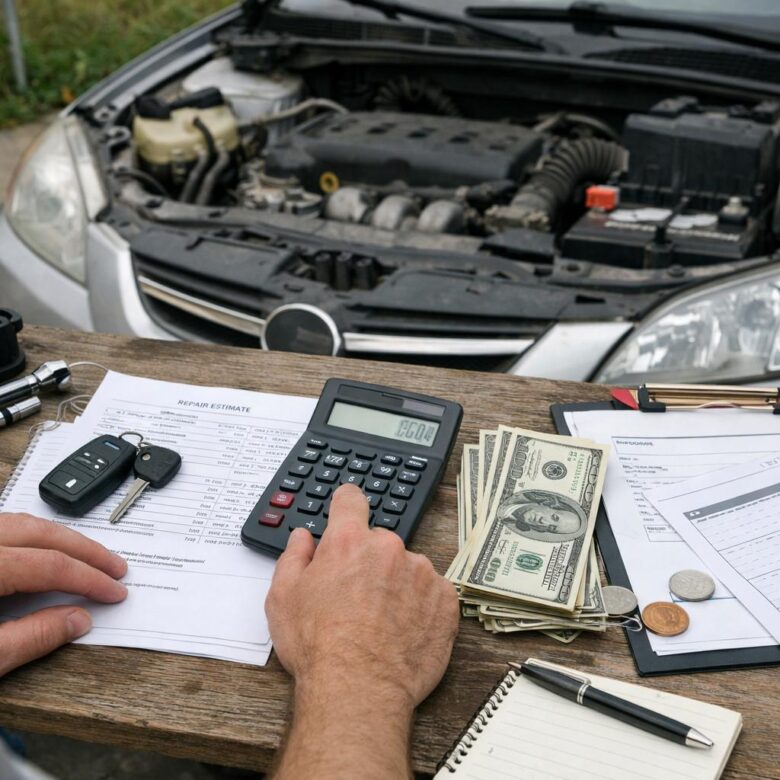
To gauge a used car’s true cost, add purchase price, taxes, insurance, fuel, financing, maintenance, repairs, and depreciation-not just the sticker price.
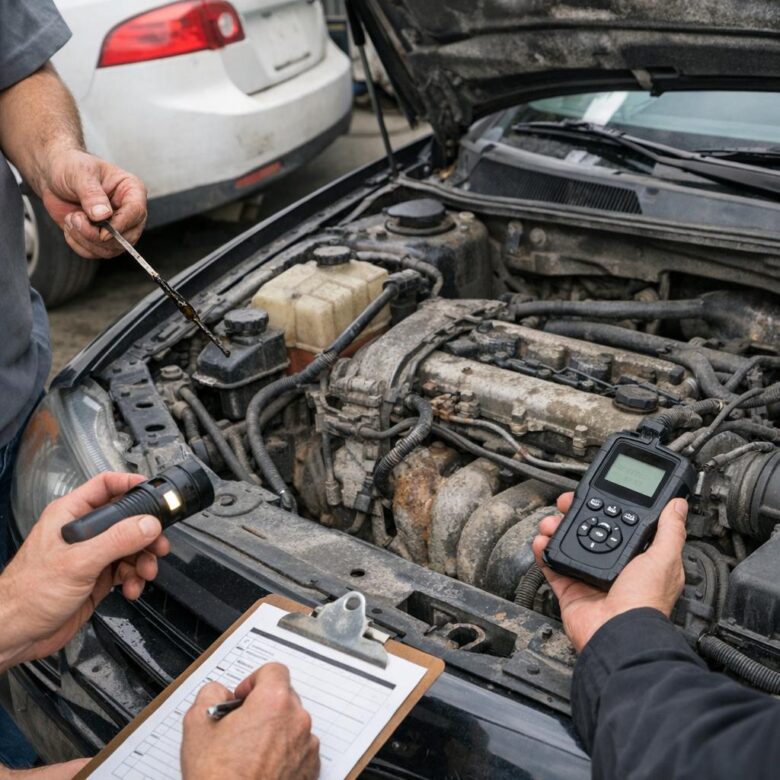
Inspect carefully: mismatched paint, uneven tire wear, damp carpets, warning lights, or gaps in service records can signal accident damage, leaks, poor maintenance, or costly hidden faults.
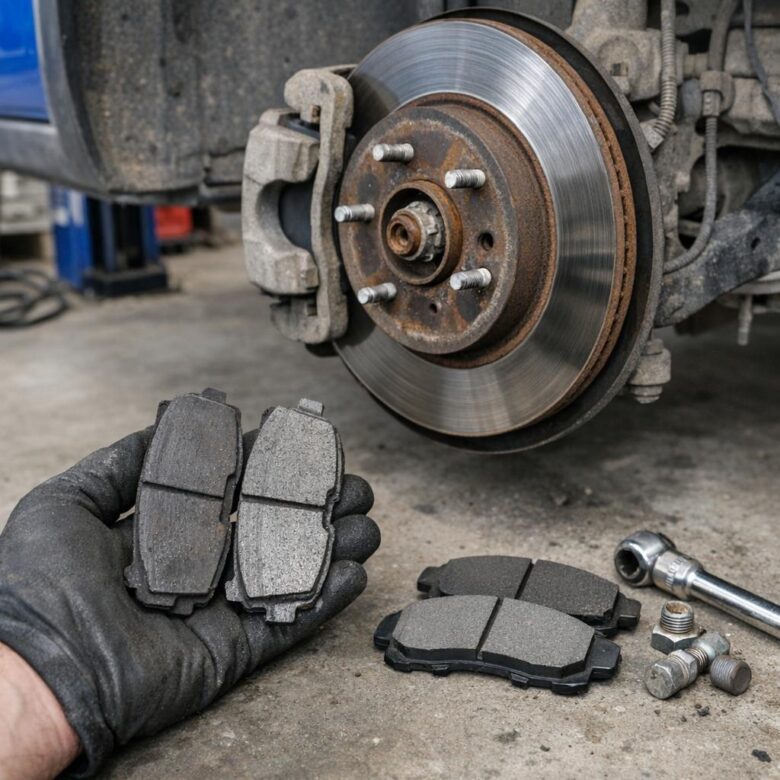
Brake pads typically last 25,000-70,000 miles, but driving style, terrain, and pad material matter. Replace them when squealing, vibration, or reduced stopping power appears.
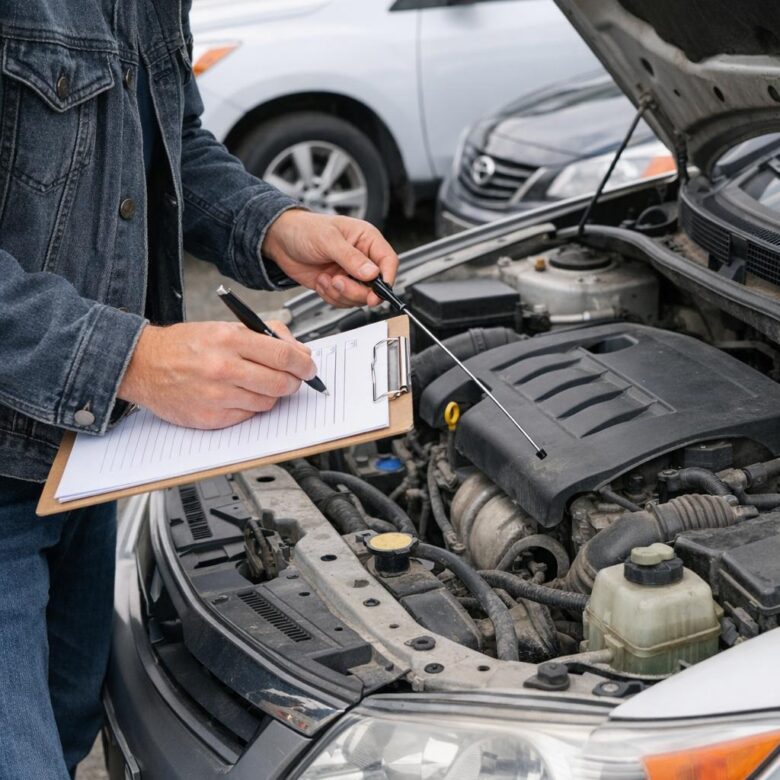
Used car checklist: verify service records, ownership history, mileage, accident signs, tire wear, fluids, electronics, road-test behavior, and arrange a trusted mechanic’s inspection.