
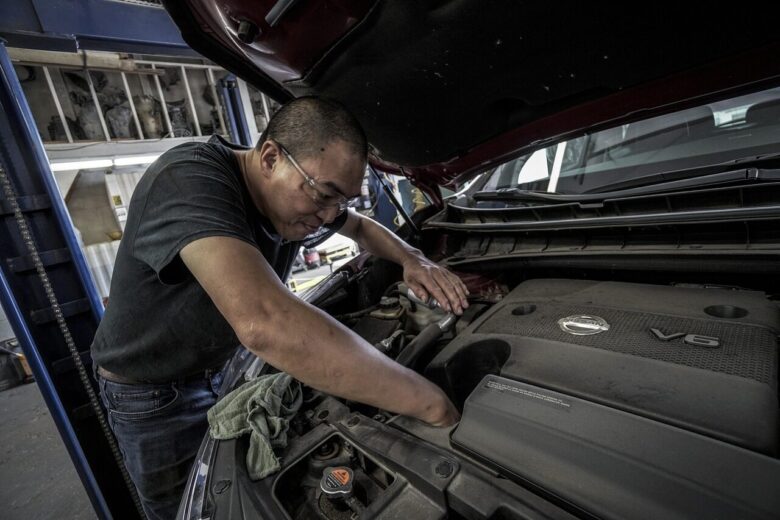
Every used car has a story. Some sellers tell it honestly. Others hide it behind a detail job, fresh oil, and a friendly smile. In my 12 years of inspecting vehicles, I have learned that the problems you can see are rarely the dangerous ones. The real threats are hidden under fresh paint, behind clean engine bays, and beneath recently shampooed carpets.
This guide teaches you how to spot the signs that a vehicle has hidden problems, whether you are inspecting it in person or evaluating it remotely before purchase. These are the same checks I perform during professional pre-purchase inspections, adapted for buyers who do not have a lift or diagnostic scanner.
Before You Arrive: What to Request From the Seller
A serious seller with nothing to hide will cooperate with reasonable requests. A seller with something to hide will resist, deflect, or refuse. Use this as your first filter.
Documents to Request
- Vehicle history report: Carfax, AutoCheck, or similar. Run the VIN yourself rather than trusting a screenshot the seller provides.
- Service records: Receipts, maintenance logs, or dealership records. Gaps of 20,000 miles or more without oil changes are a red flag.
- Title photograph: Front and back. Check for brands, liens, and the seller’s name matching the owner field.
- Current registration: Verify it is current and matches the VIN.
- Recall status: Check the NHTSA database for open recalls. Unrepaired recalls suggest neglect.
Photos to Request Before Visiting
- All four sides of the exterior in daylight
- Close-ups of any scratches, dents, or rust
- Engine bay before and after any cleaning
- Undercarriage if possible, especially the frame and suspension
- Dashboard with odometer and all warning lights visible
- Tire tread on all four wheels
- Interior carpets, especially front and rear footwells
- VIN plate on dashboard and door jamb
If the seller refuses any of these requests, consider it a warning. Not a deal-breaker by itself, but a signal to be extra thorough during your in-person inspection.
Exterior Inspection: What the Body Tells You
Paint and Body Panel Alignment
Stand back and look at the car from multiple angles in daylight. Your eyes can detect inconsistencies that cameras miss.
Look for:
- Mismatched paint: Slightly different shades between panels suggest repainting after collision damage. Check door edges, hood lines, and trunk seams.
- Overspray: Paint on rubber trim, glass seals, or plastic trim indicates a respray. Factory paint does not reach these areas.
- Panel gaps: Uneven gaps between doors, fenders, hood, and trunk suggest structural repairs or poor reassembly after an accident.
- Wavy reflections: Run your eye along the body panels. Factory paint produces straight, clean reflections. Wavy or distorted reflections indicate body filler hiding dents.
I carry a small magnet in my inspection kit. If the magnet does not stick to a steel body panel, that area has been filled with body filler over damage. Aluminum and carbon fiber panels are exceptions, but most mass-market cars use steel.
Rust Assessment
Rust is not just cosmetic. It weakens structural components, compromises safety, and spreads aggressively once established.
Check these areas:
- Wheel wells and rocker panels
- Door bottoms and edges
- Trunk floor and spare tire well
- Undercarriage frame rails
- Around windshield and rear window seals
Surface rust is common on older cars and can be treated. Bubbling paint with rust underneath indicates active corrosion that has penetrated the metal. Structural rust on frame rails or suspension mounting points is a safety issue and often a deal-breaker.
Glass and Lights
- Check windshield and windows for cracks, chips, and stress lines
- Verify all lights work: headlights, high beams, brake lights, turn signals, reverse lights, license plate lights
- Look for moisture inside headlight or taillight housings — indicates broken seals
- Check windshield wiper condition and washer spray function
Interior Inspection: Where Secrets Hide
Odor Check
Smell is one of your most powerful diagnostic tools. Before the seller opens windows or runs air fresheners, take a deep breath.
- Mildew or mustiness: Suggests water leaks, flood damage, or clogged drain channels. Check the spare tire well and under carpets.
- Cigarette smoke: Permeates upholstery, headliner, and ventilation ducts. Nearly impossible to fully remove.
- Sweet, syrupy smell: Coolant leak inside the cabin, possibly from a failing heater core.
- Burning oil: Oil leak onto hot exhaust components, possibly reaching the cabin through ventilation.
- Air freshener overload: Often used to mask other odors. Be suspicious of excessive scent.
Carpet and Upholstery
Lift the floor mats and look underneath. Check for:
- Staining, dampness, or rust-colored residue
- New carpet that does not match the age or wear of the rest of the interior
- Mismatched wear patterns between driver and passenger sides
- Sand, mud, or debris in unusual places suggesting flood exposure
Pull back the edge of the carpet in the trunk and footwells. Look for rust, water lines, or mud stains on the metal floor pan. These are classic flood damage indicators.
Dashboard and Controls
- Verify all warning lights illuminate during the bulb check when you turn the key to ON (before starting). A missing check engine light may have been disabled to hide a problem.
- Test every button, switch, and control: windows, locks, mirrors, seats, climate control, radio, cruise control
- Check the odometer for tampering signs: misaligned digits, scratches around the display, or inconsistent wear with the stated mileage
- Verify the VIN on the dashboard matches the door jamb, title, and history report
Seat Belt Check
Pull each seat belt out to its full length and let it retract. It should retract smoothly and completely. Slow or incomplete retraction suggests water exposure or worn mechanisms. Check the belt fabric for fraying, staining, or unusual stiffness.
Seat belts are designed to lock during rapid deceleration. Test this by pulling sharply on the belt. It should lock immediately. If it does not, the retractor mechanism may be damaged or water-compromised.
Engine Bay Inspection: Where Problems Multiply
Fluid Condition
Check all fluid levels and conditions with the engine cold:
- Engine oil: Should be amber to dark brown on the dipstick. Black, gritty oil indicates overdue changes. Milky or frothy oil suggests coolant contamination from a blown head gasket.
- Coolant: Should be bright colored (green, orange, pink) and clear in the reservoir. Rusty, oily, or dark coolant indicates neglect or internal leaks.
- Brake fluid: Should be clear to light amber. Dark brown or black fluid is contaminated and needs flushing.
- Power steering fluid: Should be at the correct level and not dark or foamy.
- Transmission fluid (automatic): Check on the dipstick if equipped. Should be red or pink, not brown or burnt-smelling. Some modern cars have sealed transmissions with no dipstick.
Leak Inspection
Look under the engine and around the transmission for fresh or dried fluid residue. Common leak sources:
- Valve cover gaskets (oil dripping down the engine block)
- Oil pan gasket (oil collecting under the engine)
- Coolant hoses and radiator (green, orange, or pink residue)
- Water pump (coolant weeping from the pump area)
- Transmission pan gasket (red fluid under the transmission)
- Power steering rack or pump (fluid around steering components)
Small seepage is common on older cars and not always serious. Active dripping or puddles on the ground suggest problems that need attention soon.
Belt and Hose Condition
- Serpentine belt should be free of cracks, fraying, and glazing
- Coolant hoses should feel firm when squeezed, not mushy or brittle
- Look for bulges, soft spots, or cracking on radiator hoses
- Check hose clamps for corrosion and proper tightness
Battery and Electrical
- Check battery terminals for white or green corrosion
- Verify the battery is securely mounted
- Check the manufacture date on the battery label — batteries older than 3 years may need replacement soon
- Look for signs of amateur electrical work: exposed wires, wire nuts, electrical tape repairs
Undercarriage Inspection: The Most Revealing View
If possible, get the car on a lift or jack it up safely to inspect the underside. If you cannot lift it, slide underneath with a flashlight or use a camera on a stick.
Frame and Structural Components
- Look for bends, kinks, or fresh welds on frame rails
- Check for rust holes or flaking metal on structural components
- Verify suspension mounting points are intact and not cracked
- Look for undercoating that has been sprayed over damage to hide it
Frame damage from a serious accident often compromises safety and alignment. A bent frame may never be fully corrected, leading to chronic tire wear, alignment issues, and handling problems.
Exhaust System
- Check for rust holes, especially at muffler seams and pipe joints
- Look for fresh welding or aftermarket patches
- Verify catalytic converter is present and original — theft is common, and replacements may not meet emissions standards
- Check exhaust hangers and mounts for deterioration
Suspension and Steering
- Check shock absorbers and struts for oil leaks on the exterior
- Look for torn or deteriorated rubber bushings on control arms and sway bars
- Inspect CV axle boots for cracks or grease leaks
- Check ball joints and tie rod ends for play or torn boots
- Look for fresh hardware suggesting recent replacement — not necessarily bad, but ask why
The Test Drive: Where Problems Reveal Themselves
A static inspection tells you what the car looks like. A test drive tells you how it actually works. Never buy a car without driving it, and never let the seller dictate the route.
Cold Start Observation
Arrive early and ask the seller not to start the car before you arrive. A cold start reveals problems that a warm engine hides.
- Listen for hard starting, extended cranking, or grinding noises
- Watch for excessive smoke from the exhaust on startup — blue smoke indicates oil burning, white smoke suggests coolant leaking into cylinders
- Listen for knocking, ticking, or rattling that diminishes as the engine warms
- Check that the idle stabilizes within 30 seconds rather than surging or hunting
Acceleration and Power
- Accelerate from a stop through normal driving speeds
- Listen for hesitation, stumbling, or delayed throttle response
- Feel for vibration during acceleration that could indicate a misfire or drivetrain issue
- Test passing acceleration on a safe road — the engine should pull strongly without straining
Braking
- Test gentle braking first, then moderate, then firm
- Listen for squealing, grinding, or pulsation
- Feel for pulling to one side, which indicates uneven braking or alignment issues
- Check that the brake pedal feels firm, not spongy or sinking
- Test emergency braking at low speed in a safe area
Steering and Handling
- Drive straight on a flat road and release the wheel briefly — the car should track straight without drifting
- Turn the wheel fully in both directions at low speed — listen for clunking or binding
- Test highway lane changes — the car should respond predictably without delay or vagueness
- Drive over bumps and listen for suspension noise
Transmission Behavior
- Automatic: shifts should be smooth and timely, not harsh, delayed, or accompanied by clunks
- Manual: clutch engagement should be smooth, without slipping or chatter
- Listen for whining, grinding, or clunking during shifts
- Check that the transmission holds gears properly without hunting between gears
Highway Speed Check
- Accelerate to highway speed and hold it steadily
- Listen for wind noise, wheel bearing hum, or drivetrain vibration
- Feel for steering wheel vibration that indicates tire balance or alignment issues
- Test cruise control if equipped
- Check that the temperature gauge stays stable at highway speeds
Warning Signs That Should Make You Walk Away
Some problems are not worth fixing at any price. If you encounter these, consider the deal over:
- Frame damage or structural rust: Compromises safety and is often unrepairable
- Flood damage: Electrical systems corrode over time, and mold is a health hazard
- Salvage or rebuilt title without clear documentation: Insurance and resale issues
- Active check engine light with flashing indicator: Misfire that can destroy the catalytic converter
- Milky engine oil: Head gasket failure, often a $2,000+ repair
- Transmission that slips, grinds, or refuses to shift: Rebuild or replacement typically costs $2,500 to $5,000
- Seller who refuses a test drive or professional inspection: The ultimate red flag
- Odometer rollback evidence: Fraud and illegal in all states
- Multiple warning lights or disabled indicators: Suggests systematic neglect or tampering
When to Hire a Professional Inspector
Even with this guide, some problems require expertise and equipment to detect. I recommend a professional pre-purchase inspection for:
- Any vehicle over $10,000
- European luxury vehicles of any age
- Cars with complex electrical or turbocharged systems
- Vehicles with incomplete service history
- Any car where your inspection reveals concerning signs
- Online purchases where you cannot inspect in person
A professional inspection costs $100 to $300 and can save you from a $5,000 mistake. It is the best insurance you can buy before committing to a purchase.
Bottom Line
Inspecting a used car is not about finding perfection. It is about understanding what you are buying, what problems exist, and what those problems will cost to fix. A car with known issues and a fair price can still be a good deal. A car with hidden problems and a dishonest seller is never worth the risk.
Take your time. Use your senses — sight, smell, touch, and hearing. Request documentation. Test everything. Drive it cold and hot. And never let excitement override caution. The right car will still be the right car after you have done your homework.
Related Reading
Before you buy, know how to estimate the true cost of ownership beyond the sticker price. Read our guide: How to Estimate the Real Cost of Owning a Used Car.
Disclaimer: This article is for informational purposes only. Always hire a professional mechanic for pre-purchase inspections on significant purchases. Oriola Car Insights is not responsible for financial losses or vehicle problems resulting from decisions based on this content.

The Oriola Cars Editorial Team creates and reviews practical automotive content about vehicle ownership, maintenance, used-car buying, safety, insurance and everyday driving costs.