The average car on American roads today is over 12 years old. That is not because people cannot afford new cars. It is because modern vehicles are built to last, and the owners who keep them running longest are not the ones who spend the most money. They are the ones who spend the right money at the right time.
In my 12 years working in repair shops, I have seen $500 cars reach 250,000 miles with basic care, and $40,000 cars need engine replacements at 80,000 because the owner ignored warning signs. The difference is almost never luck. It is habits.
This guide covers the maintenance routines, driving habits, and early warning signs that keep repair bills small and your car reliable for years beyond what the average owner expects.
The Real Cost of Neglect
Most expensive repairs do not happen suddenly. They start as small, cheap problems that get ignored until they damage something expensive. Here are the patterns I see constantly:
- A $90 oil change gets skipped, and sludge damages the engine internals — now it needs a $4,000 rebuild or replacement
- A $15 coolant hose leaks slowly, the engine overheats, and the head gasket fails — a $2,500 repair
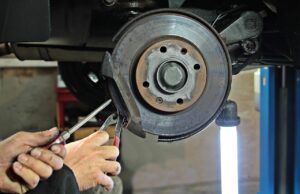
- Worn brake pads are ignored until they destroy the rotors, calipers, and brake lines — turning a $150 job into $800+
- A failing timing belt is not replaced on schedule, it snaps, and the interference engine destroys its valves — a $3,000+ catastrophe
Preventive maintenance is not an expense. It is insurance with a guaranteed payout.
Essential Maintenance Habits That Prevent Expensive Repairs
Follow the Owner’s Manual, Not the Shop’s Recommendations
Your owner’s manual was written by the engineers who designed your engine. It specifies oil change intervals, fluid types, filter replacements, and timing belt schedules based on your exact engine and driving conditions.
Repair shops often recommend shorter intervals or additional services because it increases their revenue. That does not mean they are wrong, but it means you should know what the manufacturer actually requires before agreeing to anything.
Key schedules to track:
- Oil and filter: Every 5,000–10,000 miles for synthetic, or as specified
- Air filter: Every 15,000–30,000 miles, or sooner in dusty conditions
- Cabin air filter: Every 15,000–25,000 miles
- Spark plugs: Every 30,000–100,000 miles depending on type
- Timing belt (if equipped): Every 60,000–100,000 miles — this is non-negotiable
- Coolant: Every 30,000–50,000 miles or 3–5 years
- Transmission fluid: Every 30,000–60,000 miles for automatics
- Brake fluid: Every 2–3 years
- Brake pads: Inspect every 10,000–15,000 miles; replace when worn
Keep Digital Service Records
Every receipt, every invoice, every oil change sticker — photograph it and store it in a cloud folder organized by date and mileage. This helps you:
- Track what was done and when
- Prove maintenance history for warranty claims
- Increase resale value by showing prospective buyers a complete record
- Avoid paying for the same service twice because you forgot
I recommend apps like Carfax Car Care or simply a Google Drive folder with subfolders for each year.
Use the Correct Fluids and Parts
This is where I see the most preventable damage. Your engine was designed for a specific oil viscosity, coolant formulation, and transmission fluid type. Using the wrong fluid because it is cheaper or more convenient is like putting diesel in a gasoline engine.
- Motor oil: Use the exact viscosity and specification listed on your oil cap or in the manual (e.g., 5W-30, 0W-20, dexos1). Synthetic oil is worth the extra cost for most modern engines.
- Coolant: Different engines require different formulations (OAT, HOAT, silicate-free). Mixing types can cause gel formation and clog the radiator.
- Transmission fluid: Automatic transmissions are extremely sensitive to fluid type. Using the wrong fluid can cause shifting problems and premature failure.
- Brake fluid: DOT 3, DOT 4, and DOT 5 are not interchangeable. Check your manual.
How to Inspect Your Own Car
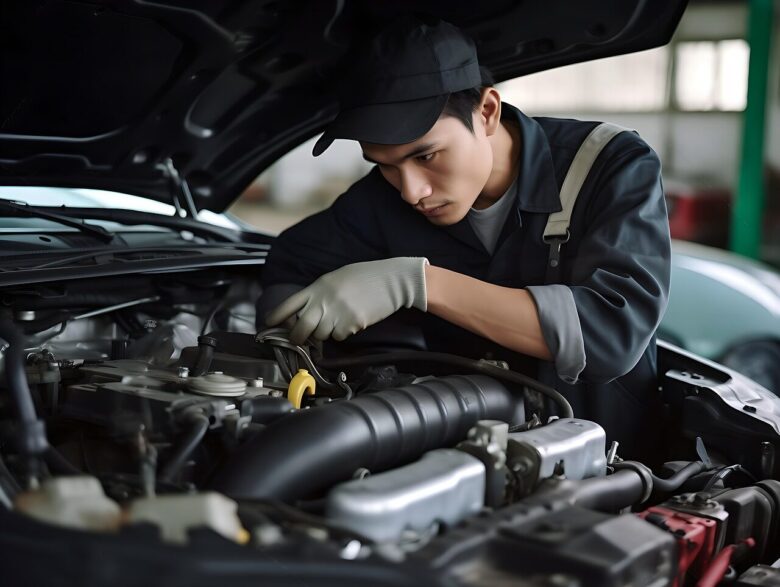
You do not need to be a mechanic to catch problems early. A 10-minute walkaround once a week and a monthly under-hood check will reveal most issues before they become expensive.
The Weekly Walkaround (5 Minutes)
- Tires: Look for cuts, bulges, nails, or uneven wear. Check pressure with a digital gauge — underinflation causes uneven wear and hurts fuel economy.
- Lights: Verify headlights, brake lights, turn signals, and license plate lights work.
- Fluid spots: Look under the car where you park. Fresh oil, coolant, or transmission fluid stains mean something is leaking.
- Body damage: New dents, rust bubbles, or paint chips that expose metal.
The Monthly Under-Hood Check (10 Minutes)
- Engine oil: Check level and color on the dipstick. Oil should be amber to dark brown, not black and gritty or milky.
- Coolant: Check the reservoir level when the engine is cold. The fluid should be bright colored (green, orange, pink) and clear, not rusty or oily.
- Brake fluid: Reservoir should be between min and max lines. Fluid should be clear to light amber, not dark brown or black.
- Power steering fluid: Check level if your car has a hydraulic system (many modern cars use electric steering and have no fluid).
- Belts and hoses: Look for cracks, fraying, bulging, or soft spots. Squeeze radiator hoses — they should feel firm, not mushy.
- Battery terminals: Look for white or green corrosion. Clean with a wire brush and baking soda solution if present.
Listen to Your Car
Your car communicates through sound, feel, and smell. Learn its normal behavior and notice changes:
- Squealing on startup: Worn serpentine belt or tensioner
- Grinding during braking: Brake pads worn to the metal backing
- Knocking from the engine: Rod bearing wear or detonation — serious
- Clicking when turning: Failing CV joint
- Clunking over bumps: Worn struts, shocks, or suspension bushings
- Humming that changes with speed: Wheel bearing failure
- Burning smell: Oil leak onto hot exhaust, overheating brakes, or electrical short
- Sweet smell: Coolant leak — ethylene glycol has a distinctive sweet odor
When you notice a change, do not wait. Small sounds become big repairs fast.
Driving Habits That Extend Vehicle Life
How you drive has a bigger impact on longevity than most owners realize. Aggressive driving creates heat and stress that wear components faster.
Accelerate Smoothly
Hard acceleration forces the engine to work at high load, increasing wear on pistons, rings, and bearings. It also wastes fuel. Accelerate gradually and let the transmission shift at natural points.
Brake Early and Gently
Late, hard braking generates excessive heat that warps rotors, glazes brake pads, and strains the hydraulic system. Anticipate stops and brake early. This also improves fuel economy by allowing more coasting.
Avoid Short Trips
Engines wear most during cold starts. Oil is thick, clearances are tight, and fuel dilutes the oil until the engine reaches operating temperature. If your commute is under 5 miles, the engine may never fully warm up, leading to sludge buildup and increased wear.
If you cannot avoid short trips, change oil more frequently and consider a block heater in cold climates.
Let the Engine Warm Up Briefly
In cold weather, let the engine idle for 30–60 seconds before driving gently. This allows oil to circulate. Do not let it idle for 10 minutes — that wastes fuel and does not help modern engines.
Use Cruise Control on Highways
Constant speed reduces fuel consumption and minimizes transmission shifting. It also reduces driver fatigue on long trips.
Do Not Overload the Vehicle
Excess weight strains the suspension, brakes, engine, and transmission. Remove unnecessary cargo from the trunk and roof rack when not needed. Roof racks also increase drag and hurt fuel economy even when empty.
Seasonal Maintenance That Saves Money
Winter Preparation
- Battery test: Cold weather reduces battery capacity. Test before winter; replace if marginal.
- Antifreeze check: Verify coolant protection to at least -30°F (-34°C).
- Tire pressure: Check weekly; pressure drops about 1 PSI per 10°F of temperature decrease.
- Winter tires: If you live in a cold climate, winter tires provide better safety and longevity than all-seasons in snow and cold.
- Wiper blades and washer fluid: Use winter-rated fluid that will not freeze.
Summer Preparation
- Air conditioning check: Low refrigerant strains the compressor. Recharge if weak.
- Cooling system inspection: Hoses, radiator, water pump, and thermostat should be checked before heat waves.
- Tire inspection: Hot pavement increases blowout risk from underinflation or worn tires.
- Oil level: Engines run hotter in summer; low oil increases wear risk.
When to Fix vs. When to Replace
At some point, every car reaches a tipping point where repairs cost more than the car is worth. Here is how I evaluate it:
Fix It If:
- The repair costs less than 50% of the car’s market value
- The car has been reliable overall and the problem is isolated
- You have kept up with maintenance and the rest of the vehicle is sound
- The repair extends life by several years (e.g., timing belt, clutch, brakes)
Consider Replacing If:
- The repair costs more than the car is worth
- Multiple major systems are failing simultaneously (engine, transmission, suspension, electrical)
- Rust is compromising structural integrity
- Safety systems are outdated or non-functional (ABS, airbags, structural damage)
- You are facing a second major repair within 12 months
Emotional attachment is real, but math does not care how much you love your car. A $3,000 repair on a $2,500 car is rarely the right choice unless the car has sentimental value or you have the skills to do the work yourself.
Bottom Line
Making your car last longer is not about spending more money. It is about spending the right money at the right time, paying attention to small changes, and driving in a way that reduces wear.
The owners who reach 200,000+ miles are not lucky. They are consistent. They follow the maintenance schedule, check fluids monthly, listen for unusual sounds, and fix problems while they are still small.
Your car is one of the biggest investments you will make. Treat it like one, and it will return the favor with years of reliable service.
Related Reading
Understanding your warning lights is critical for catching problems early. Learn what to do when your check engine light comes on in our guide: Why Your Check Engine Light Is On and What You Should Do First.
Disclaimer: This article is for informational purposes only. Always consult a certified mechanic for professional advice and service. Oriola Car Insights is not responsible for damage or injury resulting from maintenance or repairs performed based on this content.

The Oriola Cars Editorial Team creates and reviews practical automotive content about vehicle ownership, maintenance, used-car buying, safety, insurance and everyday driving costs.